-
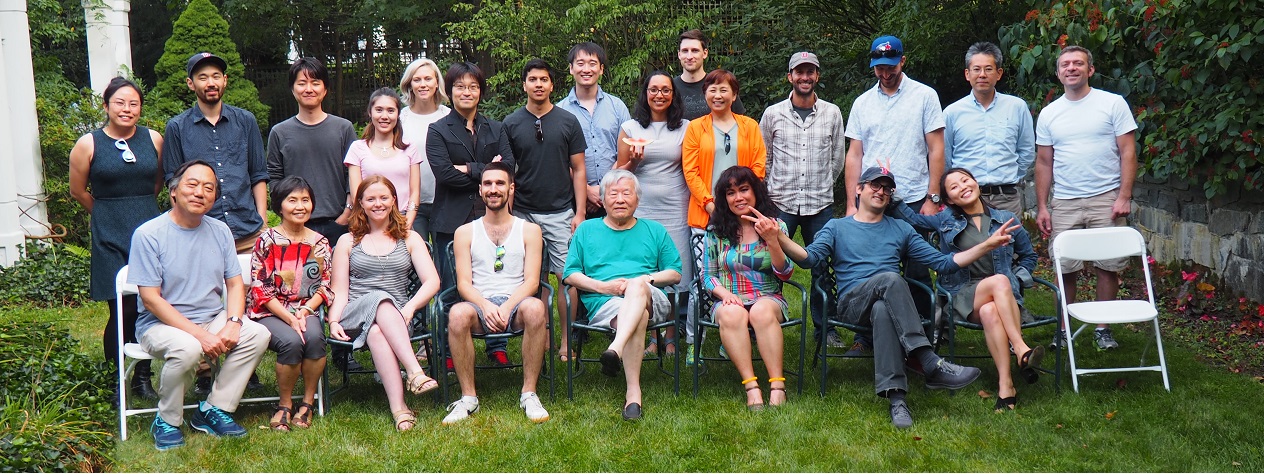 We are a band of passionate and ambitious neuroscientists exploring some of the brain's greatest mysteries.
 -
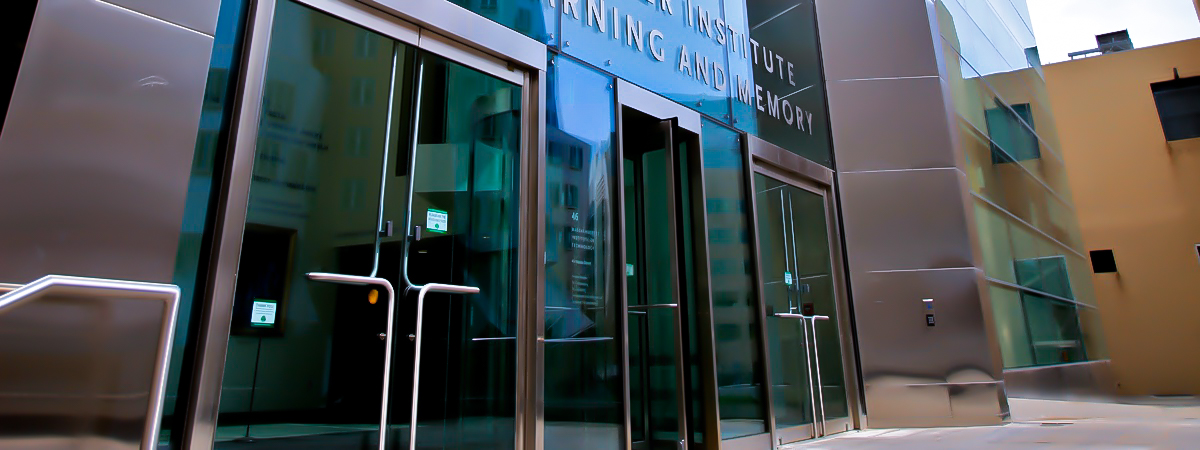 The RIKEN BSI and the Picower Institute at MIT have created a strong, long-term mutually beneficial relationship for collaborative research,
 -
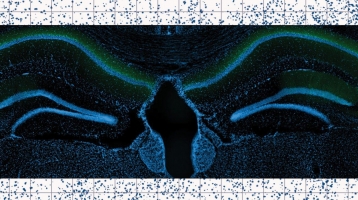
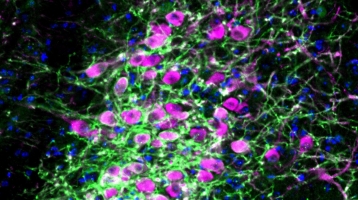
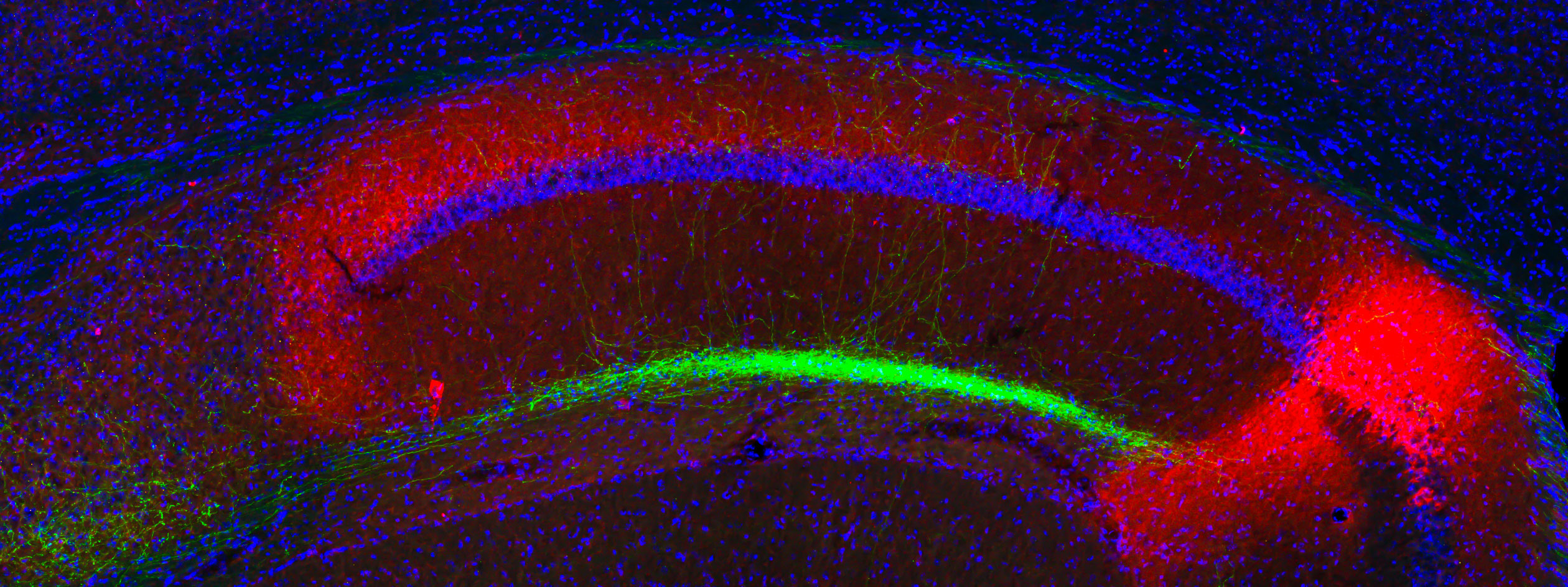 Our lab seeks to unravel the molecular, cellular and neural circuit mechanisms that underlie learning and memory...

RIKEN-MIT
The RIKEN Brain Science Institute and the Picower Institute for Learning and Memory at MIT have created a strong, long-term mutually beneficial relationship for collaborative research, building on the resources and strengths of both institutes in the highly dynamic field of brain science… Learn more »

Our Mission
Combining the most cutting-edge techniques available in modern neuroscience, we seek to unravel the molecular, cellular, and neural circuit mechanisms that underlie learning and memory. Our studies bridge basic science and disease models to causally dissect how memory works and how it breaks down… Learn more »